Biochemistry
Department of Biochemistry
Introduction
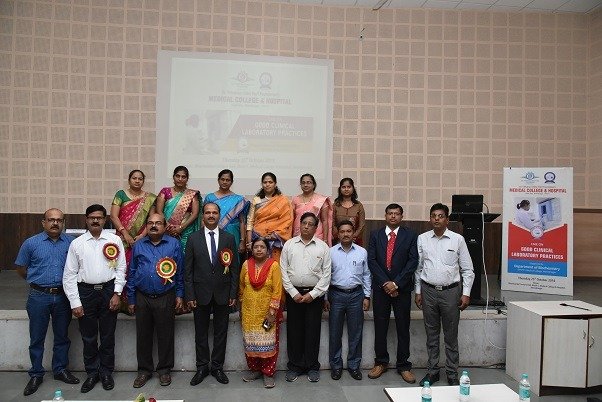
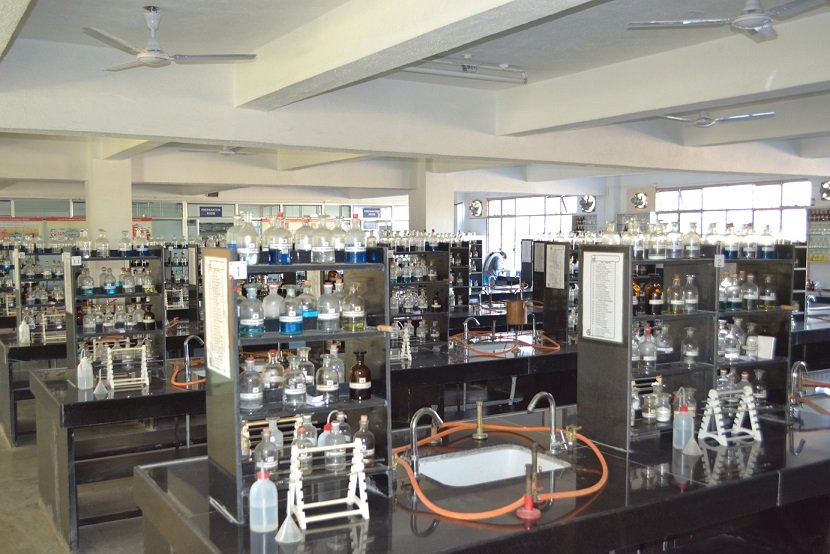
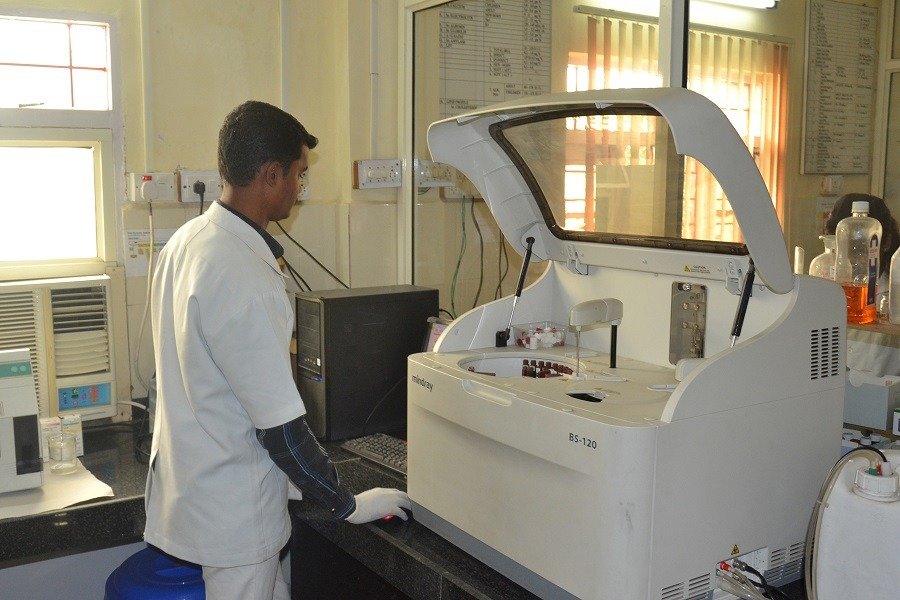
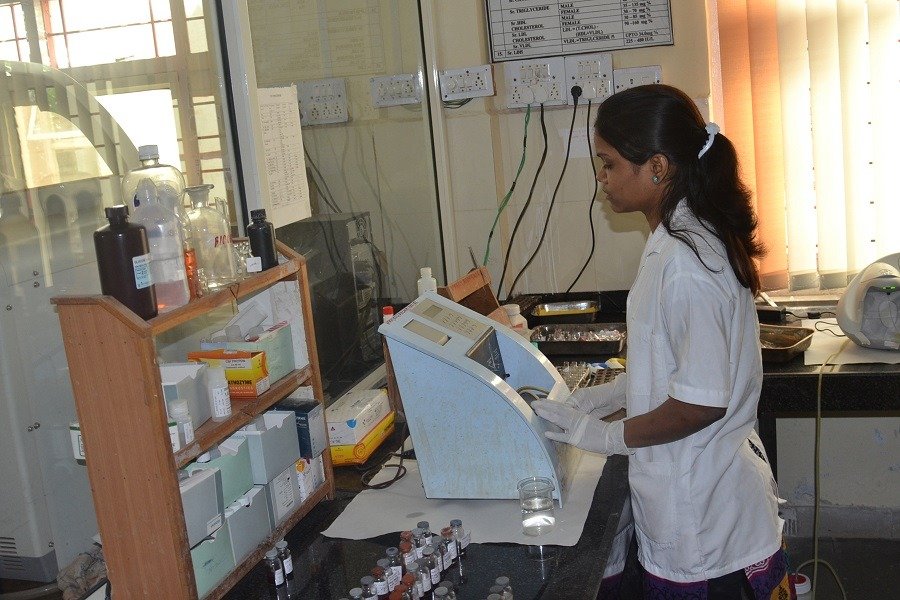
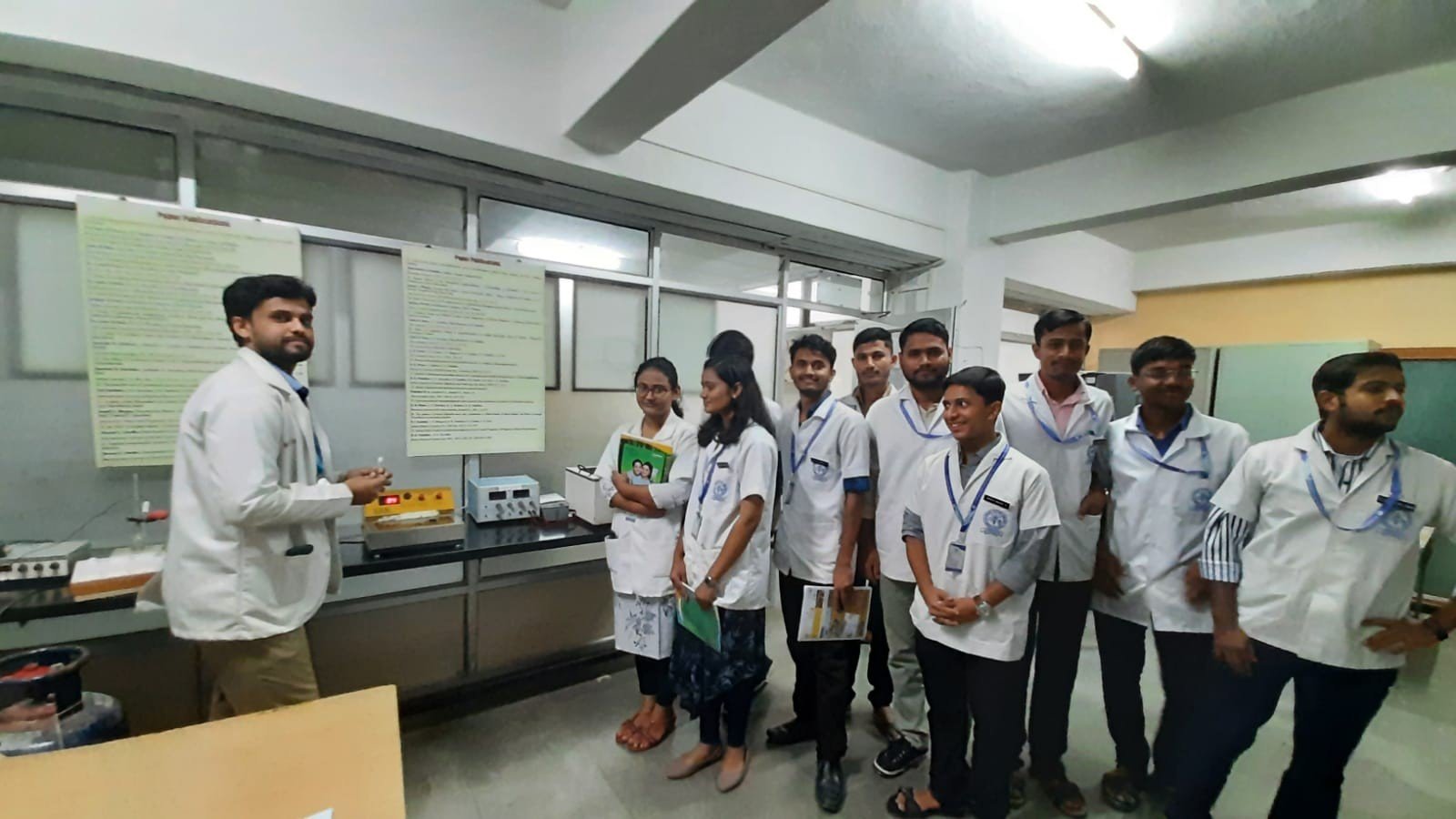
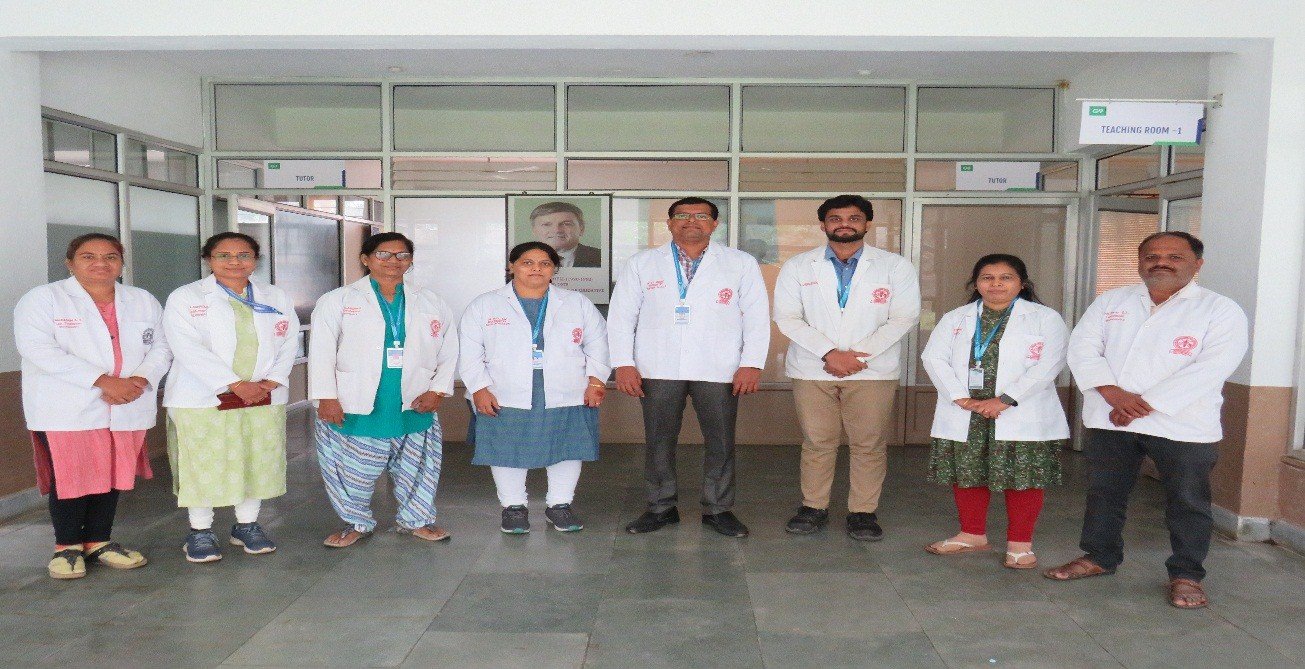
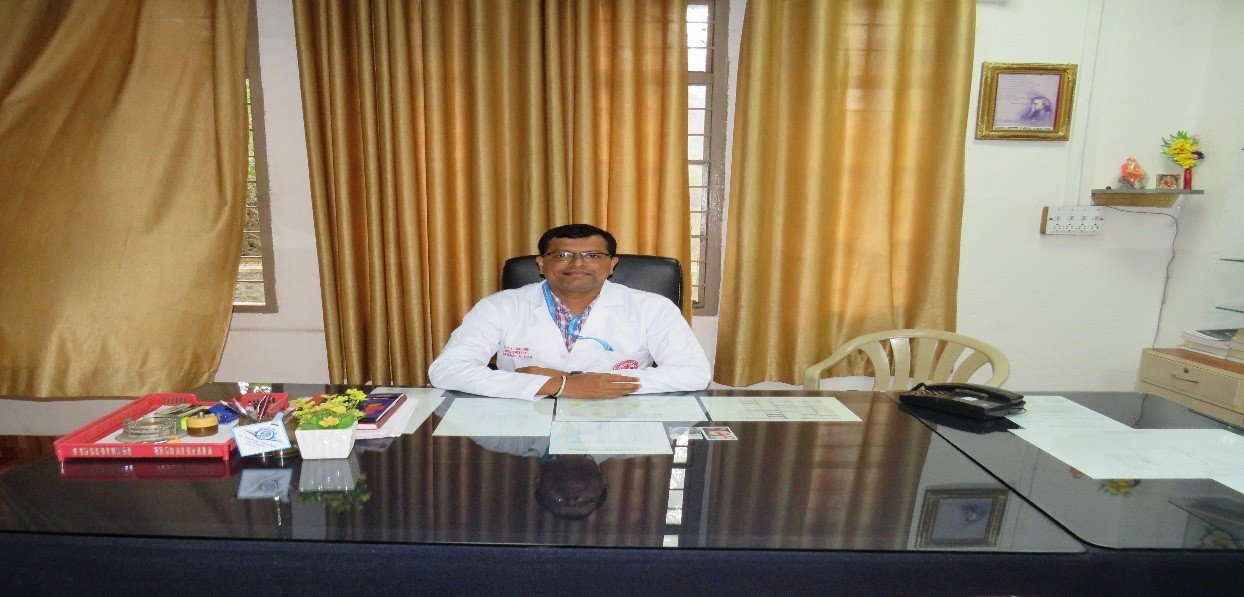
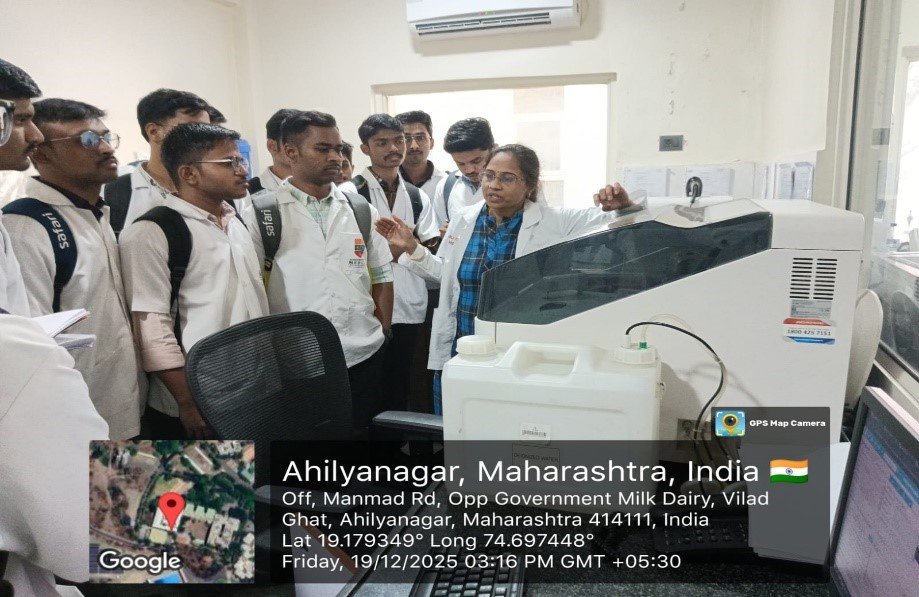
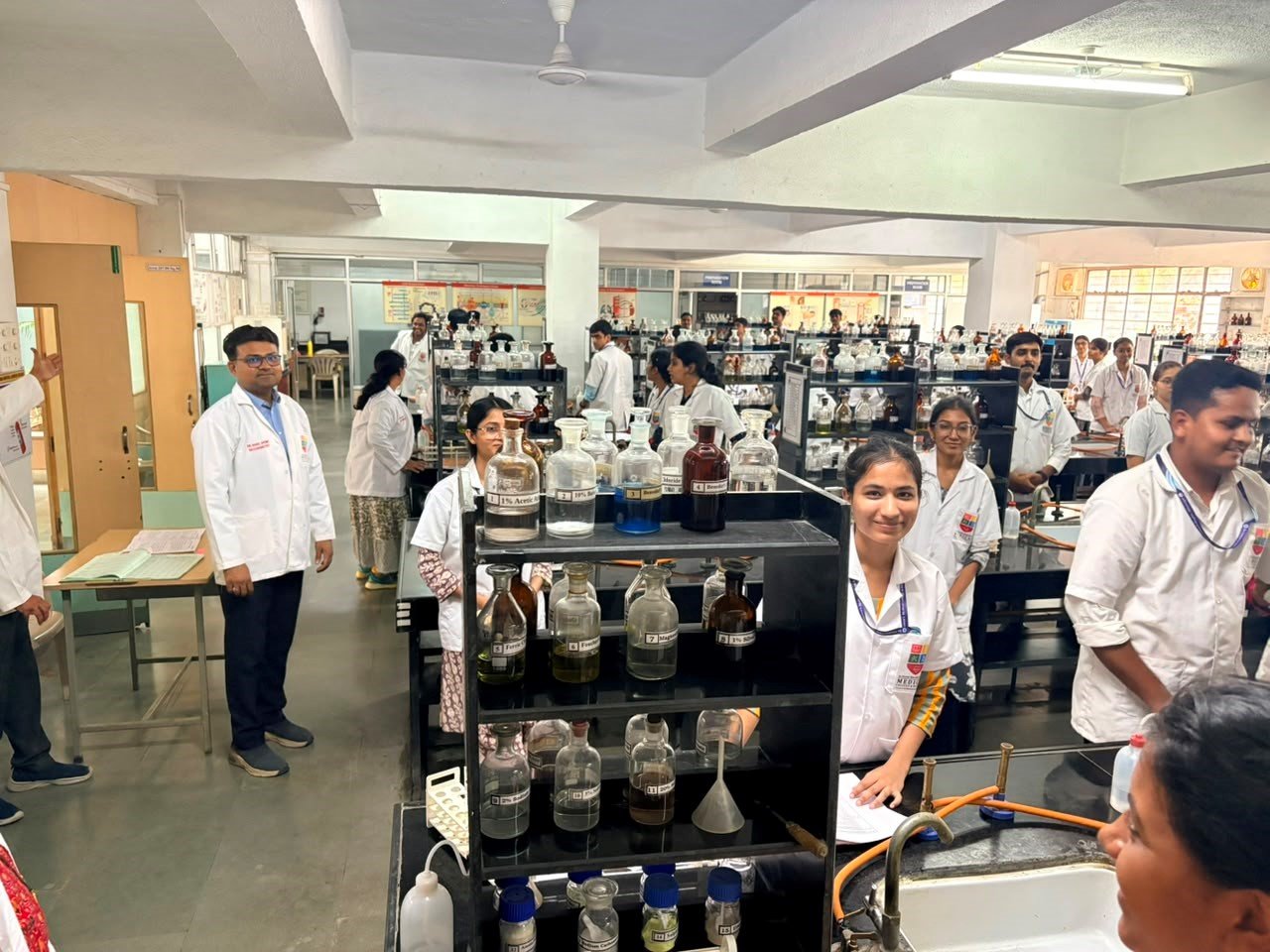
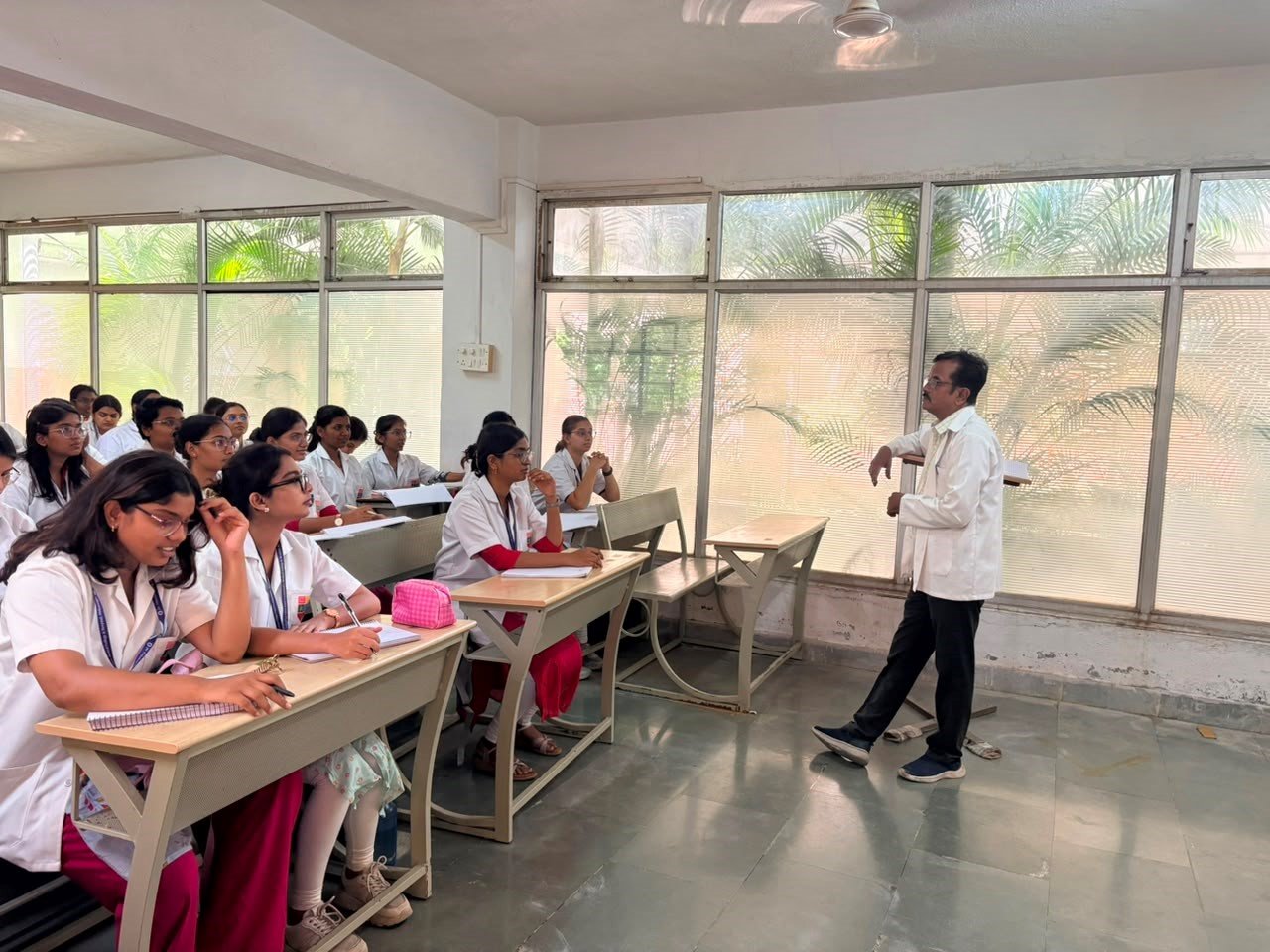
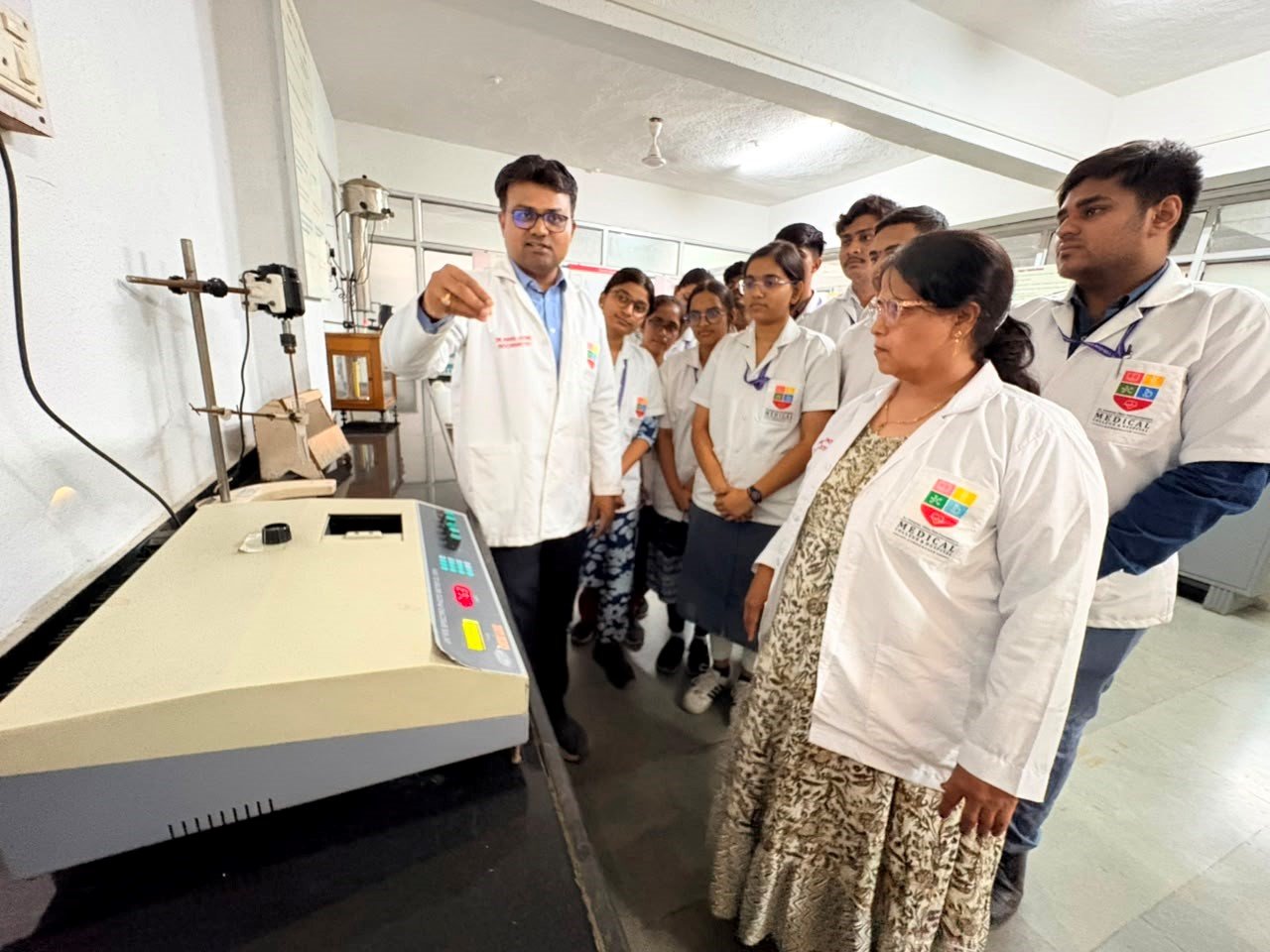
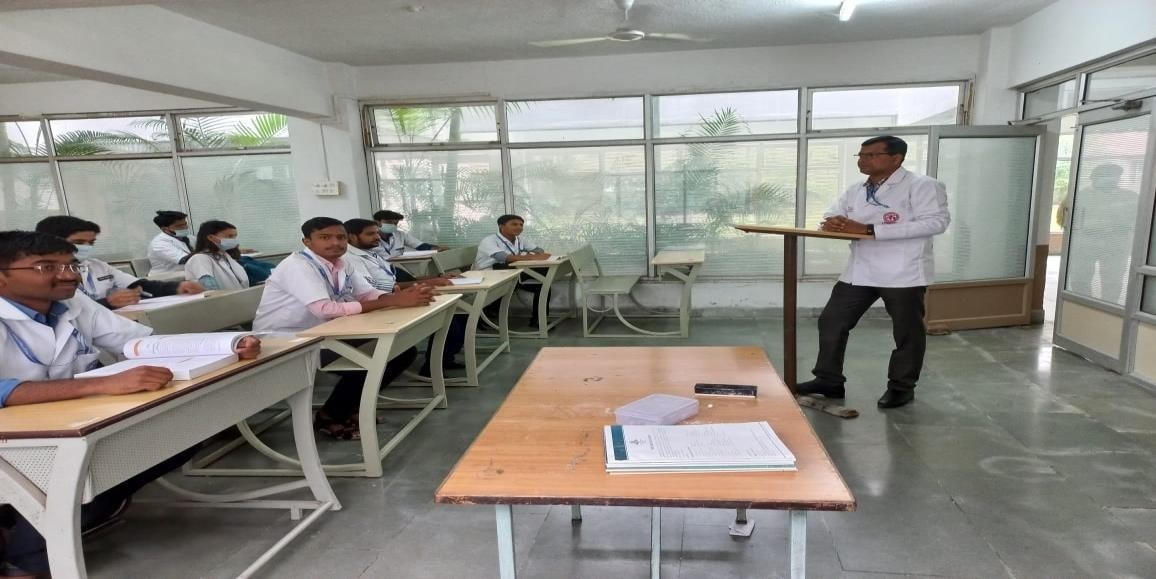
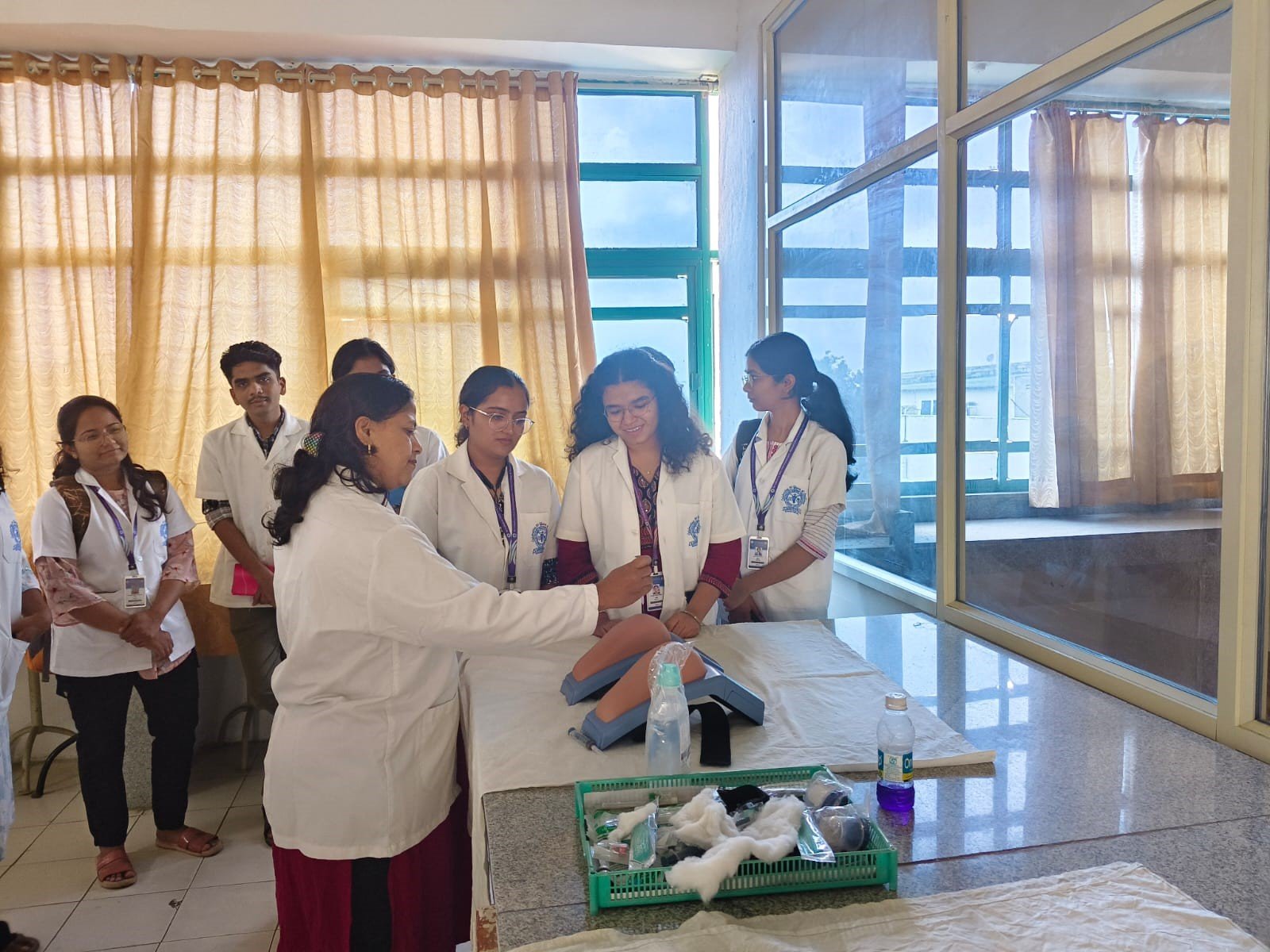
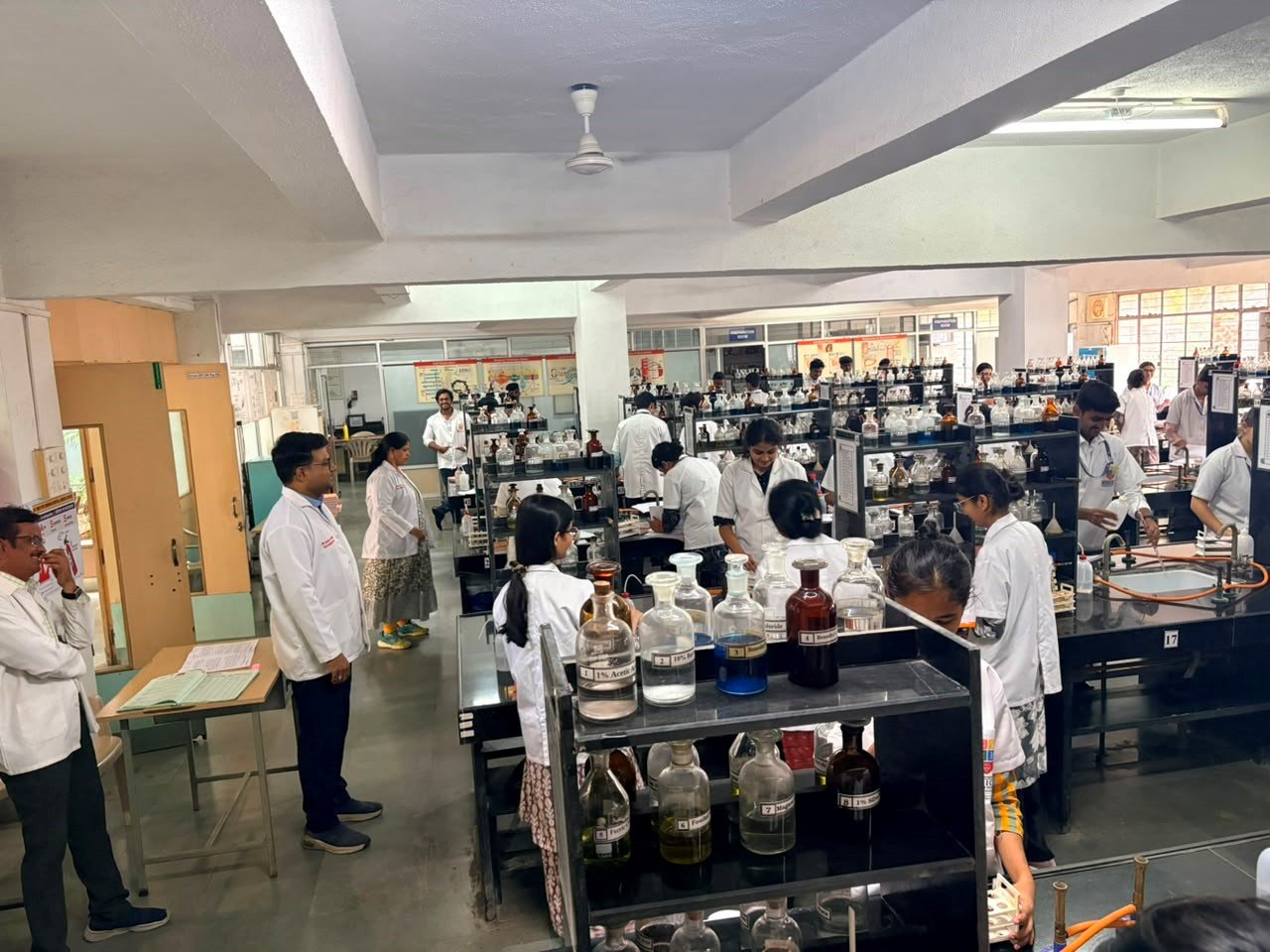
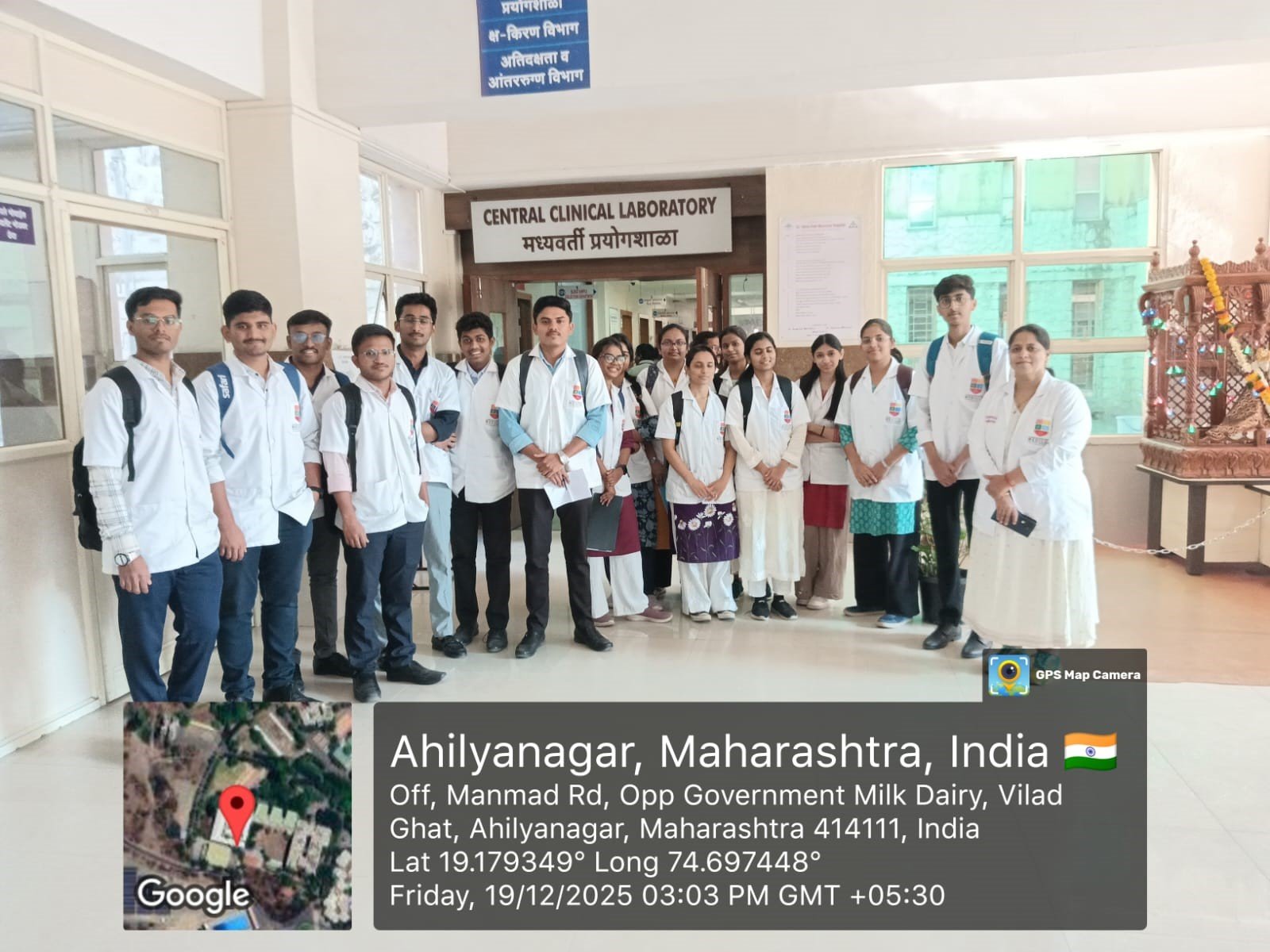
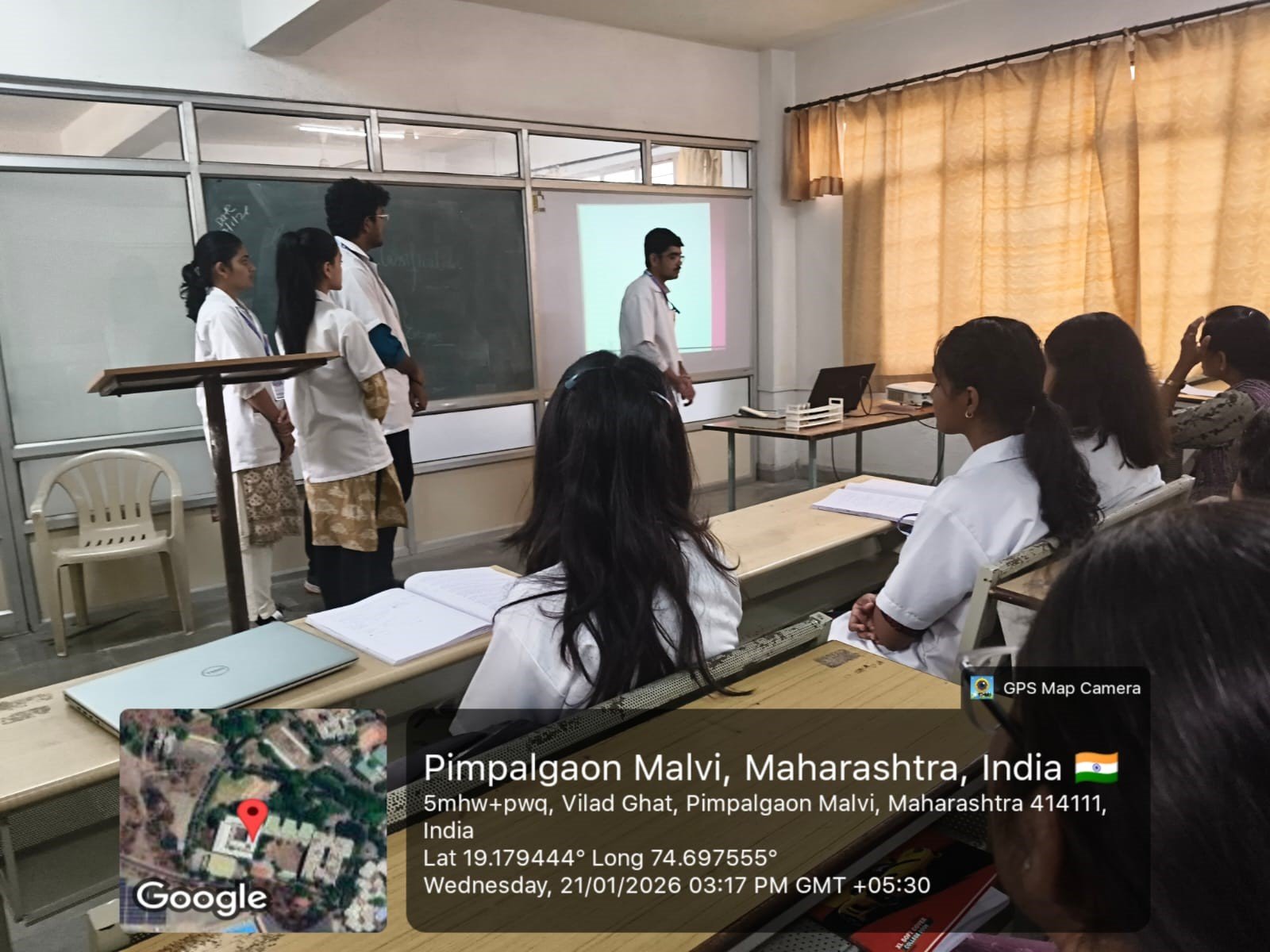
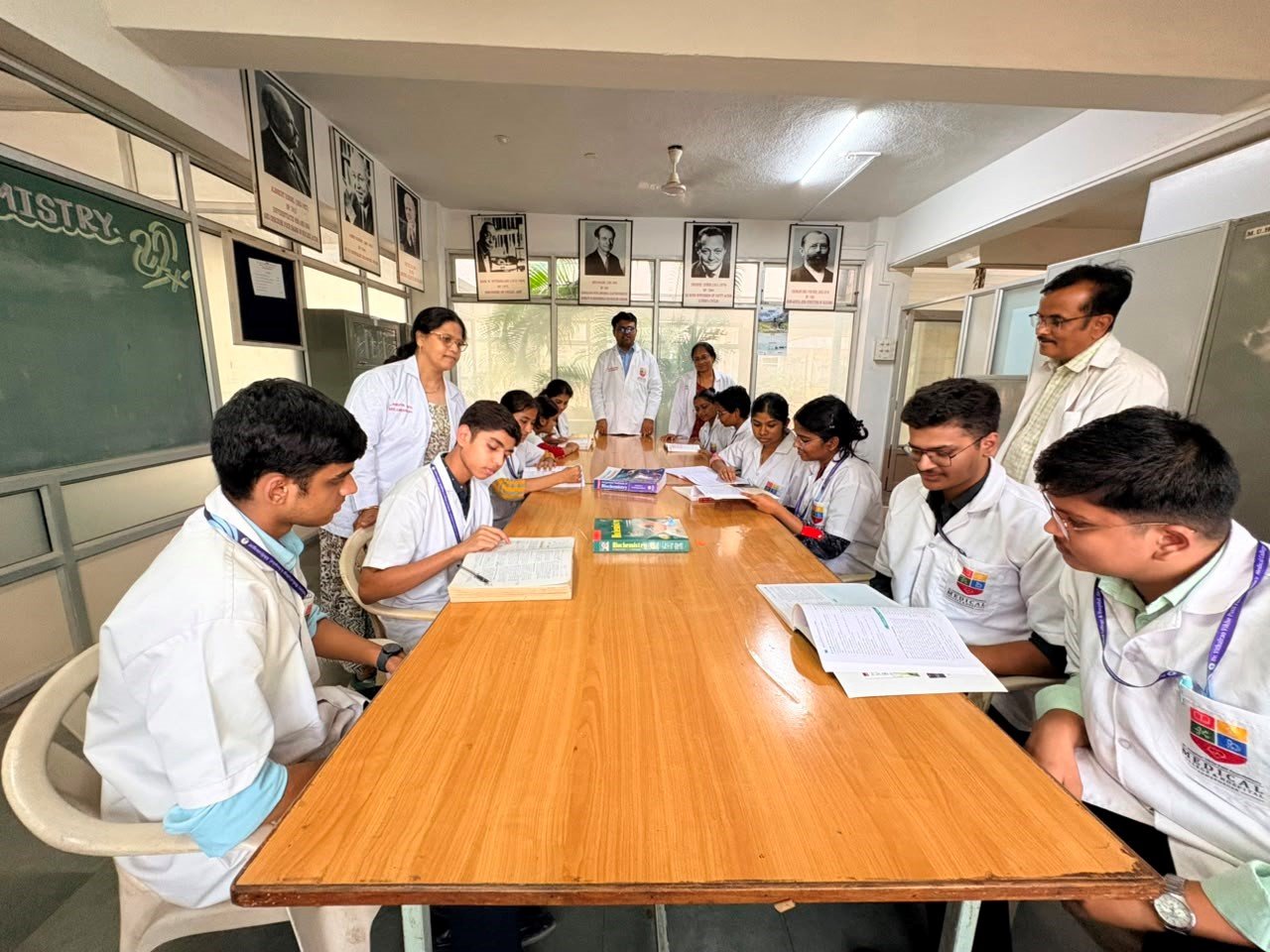
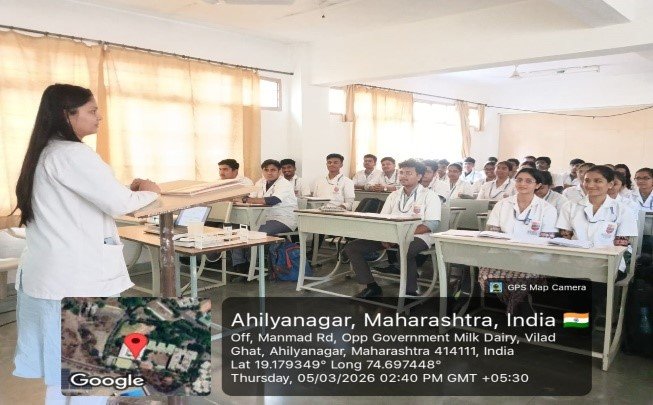
Introduction to Department of Biochemistry.
Dr. Vithalrao Vikhe Patil Foundation's Medical College had been established at Ahmednagar in 2004 under the great leadership of Late Dr. Balasaheb Vikhe Patil (Padmabhushan Awardee). Presently institute has world class infrastructure and providing high quality medical education to students with the constant guidance and support of Hon. Namdar Radhakrishna Vikhe Patil, Chairman, Dr. Vithalrao Vikhe Patil Foundation, Ahmednagar and Hon. Dr. Sujay Radhakrishna Vikhe Patil, CEO, Dr. Vithalrao Vikhe Patil Foundation, Ahmednagar. The institute is recognized by National Medical Commission of India, New Delhi and is affiliated to Maharashtra University of Health Sciences, Nashik.
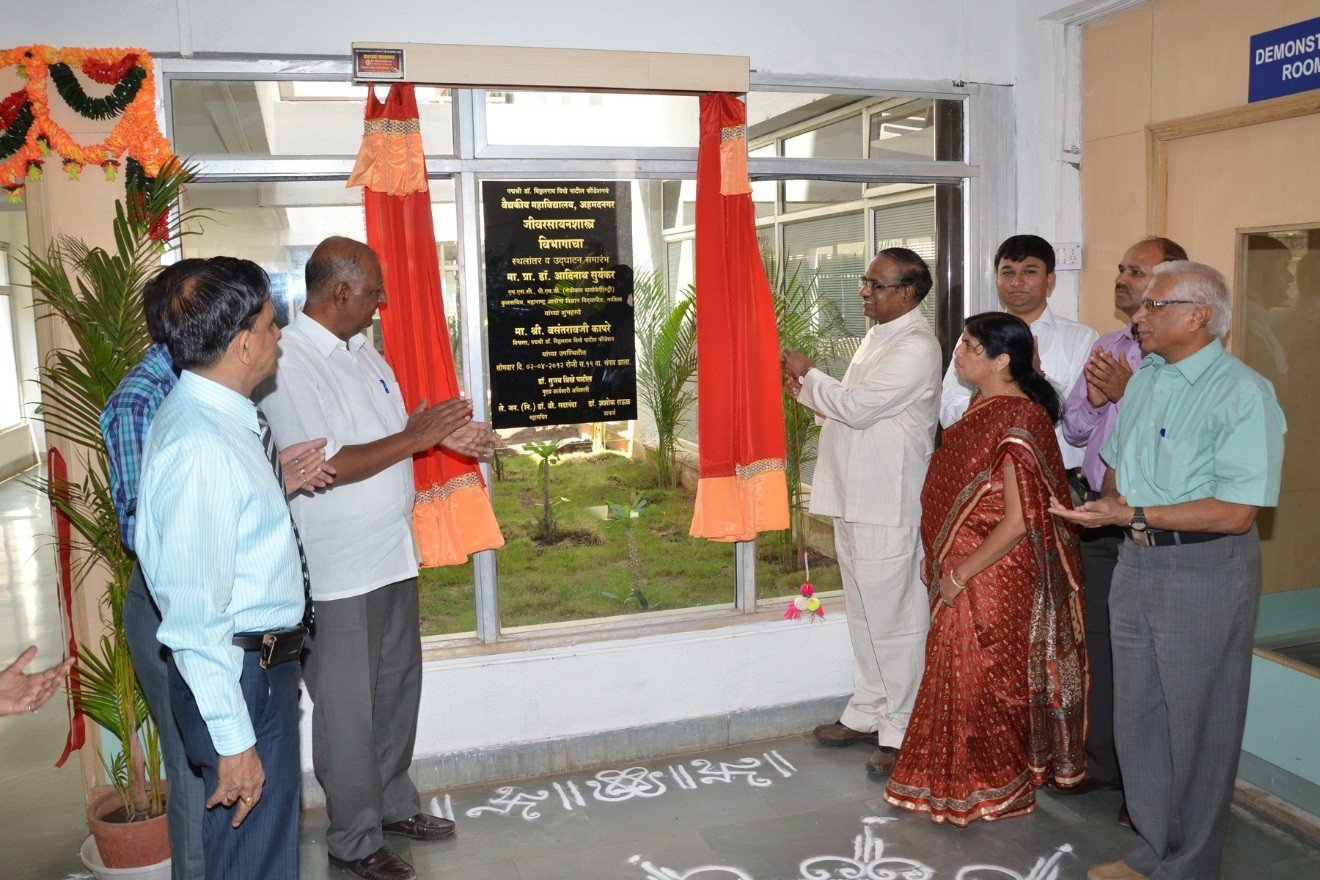
The Department of Biochemistry was established in 2004 by the able guidance of Dr. R.K. Padalkar and now headed by Dr. D.V. Andure. This department strives to achieve excellence in the fields of medical education and diagnostics by providing holistic education inclusive of up-to-date knowledge and research in the field of clinical biochemistry, compassion for the patients and courtesy for fellow citizens with an ultimate aim to fulfil the mission of this college. The department was shifted to the ground floor of B block on 02 April 2012.
The Dept has adopted the philosophy of Total Quality Management in all spheres of its functioning by streamlining all the processes and systems to achieve satisfaction of students, patients as well as clinicians.
VISION
To create health care professionals capable of applying their biochemical knowledge into clinical practice thus helping the society
MISSION
Department of Biochemistry has an excellent history for training UG students in laboratory as well as in classroom.
- To generate new tools and knowledge that will advance our understanding of the living world and enhance the quality of life through better medical care, disease prevention measures and nutrition as well.
- To provide opportunities for carrier development of students and staff. Contribute to the public understanding for the life sciences and molecular medicine.
- To translate our discoveries into meaningful applications for better health care and economic development through community outreach programme.
- The mission of Ph.D. program is to provide platform to researcher and translation of new knowledge concerning molecular basis of life.OBJECTIVES
By the end of the course, students should be able to:
1. demonstrate knowledge and understanding of the molecular machinery of living cells;
2. demonstrate knowledge and understanding of the principles that govern the structures of macromolecules and their participation in molecular recognition;
3. demonstrate knowledge and understanding of the principles and basic mechanisms of metabolic control and molecular signalling;
4. use basic laboratory skills and apparatus to obtain reproducible data from biochemical experiments;
5. implement experimental protocols, and adapt them to plan and carry out simple investigations;
6. analyse, interpret, and participate in reporting to their peers on the results of their laboratory experiments;
7. participate in and report orally on team work investigations of problem-based assignments;
8. build on their knowledge and understanding in tackling more advanced and specialised courses, and more widely to pursue independent, self-directed and critical learning.
SCOPE OF SERVICES:
The Biochemistry department is involved in teaching undergraduate students viz., MBBS, BPTh & B.Sc (Nursing) students, conducting research and maintaining high standards in diagnostic services. The Department of Biochemistry is run by a group of experienced and talented doctors and faculty who provide diagnostic laboratory services to outpatients and inpatients.
CENTRAL CLINICAL BIOCHEMISTRY LABORATORY
Central Clinical Biochemistry laboratory is a part of Centralised laboratory located on the ground floor of the hospital area. The laboratory offers 24/7 services, possesses experienced technical staff. Large number of routine and special investigations are carried out on highly sophisticated instruments like fully automated Analysers, Hormone Analysers, Semi – Autoanalyser, Electrolyte analyser, ABG Analysers with efficiency in working & quality of reports.
The laboratory is intended to serve as a referral laboratory for physicians of this hospital as well as for those practicing in the surrounding areas. Routine Biochemistry and specialized tests like hormones, tumour markers, and vitamins etc., done in labs that have the latest equipment’s.
The laboratory handles a massive workload of tests of approximately 1200-1300 tests per day. It handles routine tests in clinical chemistry as well as special tests in the field of endocrinology, clinical enzymology and tumour markers. The department is equipped with highly sophisticated instruments viz Two fully automated biochemistry analyser, Hormone analysers, electrolyte analyser, ABG analyser, HbA1C analyser and Semi- automated chemistry analysers.
It also engages actively in meaningful undergraduate research as it believes that research is the only method of igniting young minds which propels them to the frontiers of learning. CCL Biochemistry conduct daily internal Quality Assurance Programmes. The Department has enrolled in External Quality Assurance Programmes for proficiency conducted by Bio-Rad EQAS program.
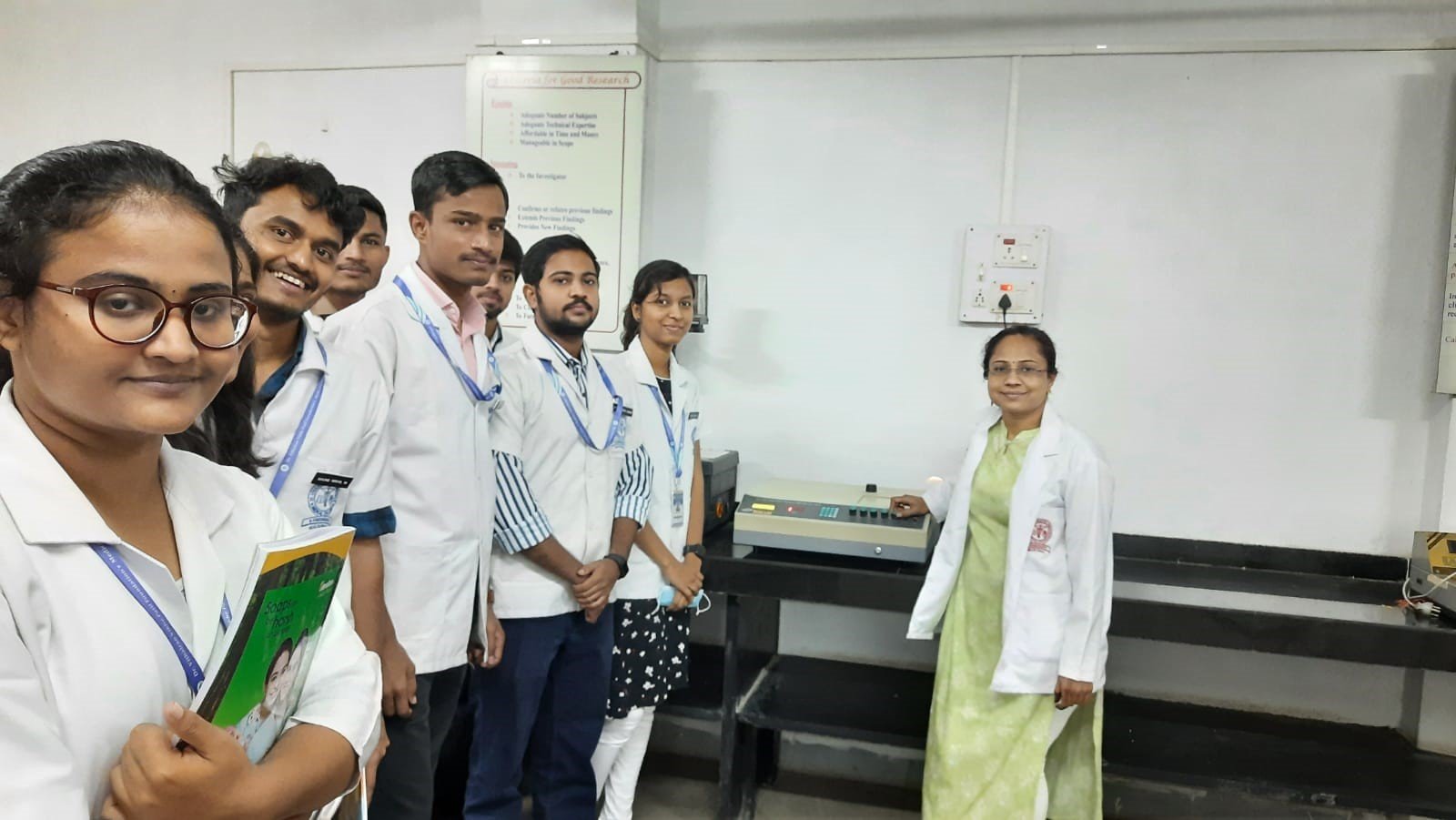
Departmental Biochemistry laboratory is also equipped with various instruments like UV spectrophotometer, Gel electrophoresis, Chromatography, Colorimeter, PH meter etc. with all other aids required for teaching and research.
Teaching Staff
Teaching Staff 1
PDFActivities
Activities 1
PDFAwards & Achievements
Awards & Achievements 1
PDFBest Practice
Best Practices :
1. CCL: We have got 24 x 7 running well equipped automated CCL Biochemistry which carry out large number of routine & special investigations on highly sophisticated instrument. Recently the NABL Accreditation has been done.
2. Mentorship Programme: To develop mentoring to optimised and educational experience and get acquainted to a new environment. This programme developed good rapport with the students which ultimately reflects as their success in every aspect of personal and professional life .
3. Development of organisational skills through extra-curricular activities like Essay Writing, Debates, Posters, Drama Competitions, Role Play etc.
4. Implementation of innovative Teaching techniques, Seminars, ECE, SGD etc
5. Discussion of Clinical case reports.
6. Regular formative assessments to improve competencies.
7. Go green efforts, we minimise the use of papers and we encourage to use scanners, e-mails to circulate regular notifications.
Research
Research 1
PDFSOP
SOP 1
PDFFuture Plan
- 1. To introduce innovative methods of teaching
- 2. To improve staff students relationship so as to improve student morale
- 3. Encourage students to do research as well as publish papers
- To start PG course like M.Sc. Medical Biochemistry
- To get sanctioned project from funding agency.
Profile Book
Profile Book 1
PDFOthers
Special Features of Department
i. Excellent practical and research laboratory
ii. Infrastructure and Ambience, Faculty quality and co-operation
iii. The undergraduate students have achieved= 43 distinctions, in year from 2015-16 to 2019-20.
iv. 24 X 7 well efficiency running CCL Biochemistry Lab with workload of IPD 700-750 & OPD 400-450 investigations.
v. We participated in External Quality Assurance scheme Conducted by BIO-RAD.
vi. We are also involved in Teaching Biochemistry to BPTh and Nursing Students.
Uniqueness of Department
1] In Biochemistry it is crucial that the medical students should learn about the normal functioning of the body which deals with the process of converting nutritional materials into more useful and valuable bio molecules such as proteins, carbohydrates, lipids and nucleic acids. It also deals with molecular biology, the science of genes.
2] In addition, Biochemistry also deals with diagnostics and analytical sciences - biochemical investigations in blood and body fluids - a key factor in diagnosis and decision making for the physician. A automated platform linked to HIS enabled services is there for the biochemical diagnostics, that enables the treating clinician anywhere in the hospital to view the blood test results of the patients immediately.
3] The Biochemists have made important contributions in medical sciences over the years in terms of understanding pathophysiology of various diseases and inventing new diagnostic methodologies for better healthcare services.